
Key points
- ✓ Lower back pain is common and often improves with gradual movement and appropriate self-care.
- ✓ Spending several days in bed may delay recovery; physical activity should be adapted to your symptoms.
- ✓ Progressive leg weakness, changes in urination, or numbness around the genitals require immediate attention.
What lower back pain is and why it can happen
- Lower back pain occurs between the lower ribs and the buttocks and may develop after physical exertion, overloading, a sustained posture, or muscle strain.
- In most cases, no serious underlying injury is identified. Pain may sometimes travel into one leg and be accompanied by tingling or symptoms related to nerve irritation.
- The intensity of pain alone does not always indicate how serious the problem is. Its progression, associated symptoms, and personal medical history also matter.
- Pain that begins after a significant injury or occurs with fever, unintentional weight loss, or other warning signs requires medical assessment.
Initial self-care that may help
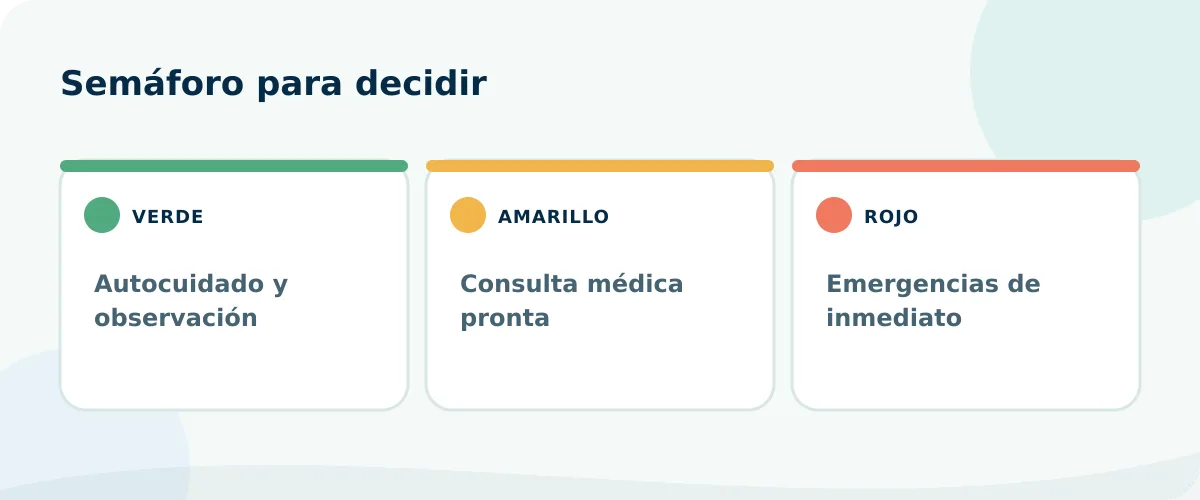
- Keep moving gently and gradually return to usual activities as tolerated. Avoid prolonged bed rest.
- Change positions regularly and avoid heavy lifting or movements that clearly increase the pain.
- A warm or cold pack wrapped in a cloth and applied for short periods may ease discomfort or muscle tension.
- Walking, gentle exercises, and physical therapy when appropriate can help restore movement and function.
- Before taking pain relievers or anti-inflammatory medication, ask whether they are appropriate for you, especially if you have kidney disease, pregnancy, gastritis, an ulcer, high blood pressure, or use blood thinners.
When to arrange a medical consultation
- Book an assessment if pain does not improve, limits daily activities, returns frequently, or continues to radiate into one leg.
- Seek earlier advice if you develop fever, feel generally unwell, have persistent nighttime pain, lose weight unintentionally, or have a history of cancer.
- Older adults and people with osteoporosis, a weakened immune system, long-term corticosteroid use, or a recent injury may need earlier assessment.
- A doctor will determine whether testing, treatment, rehabilitation, or referral is needed. X-rays and MRI scans are not automatically required in every case.
Symptoms that require urgent attention
- Seek immediate care if you develop marked or progressive weakness in one or both legs, major difficulty walking, or worsening loss of strength.
- Numbness around the genitals, anus, or inner thighs needs urgent medical assessment.
- New difficulty urinating, urinary retention, or loss of bladder or bowel control are also emergency warning signs.
- Go to an emergency department if pain started after a serious accident, occurs with fever and rapid deterioration, or is accompanied by severe chest or abdominal pain.
Reducing the risk of future episodes
- Stay physically active and gradually strengthen your trunk muscles within your abilities.
- When lifting, keep the load close to your body, bend your knees, and avoid twisting while carrying weight.
- Take regular breaks if you sit for long periods and adjust your workspace to support a comfortable posture.
- Adequate sleep, avoiding tobacco, and maintaining healthy habits may reduce the impact of recurring episodes.
Warning signs and when to seek care
- Progressive weakness or significant numbness in one or both legs
- Loss of sensation around the genitals, anus, or inner thighs
- New difficulty urinating or loss of bladder or bowel control
- Pain after a serious accident or significant injury
- Fever, severe illness, persistent nighttime pain, or rapid deterioration
What not to do
- Do not remain on strict bed rest for several days if you can move safely.
- Do not lift heavy objects or perform exercises that clearly worsen your symptoms.
- Do not take anti-inflammatory medication without advice if you have kidney disease, pregnancy, an ulcer, or other contraindications.
- Do not ignore changes in urination, loss of strength, or numbness around the genitals.
- Do not wait for a WhatsApp reply when emergency warning signs are present.
Medical references
WHO — Lower back pain MedlinePlus — Back pain NHS — Back pain and warning signsIf you have symptoms, risk factors, or questions about your situation, arrange a professional medical assessment.
Book an appointment